 Skip to content
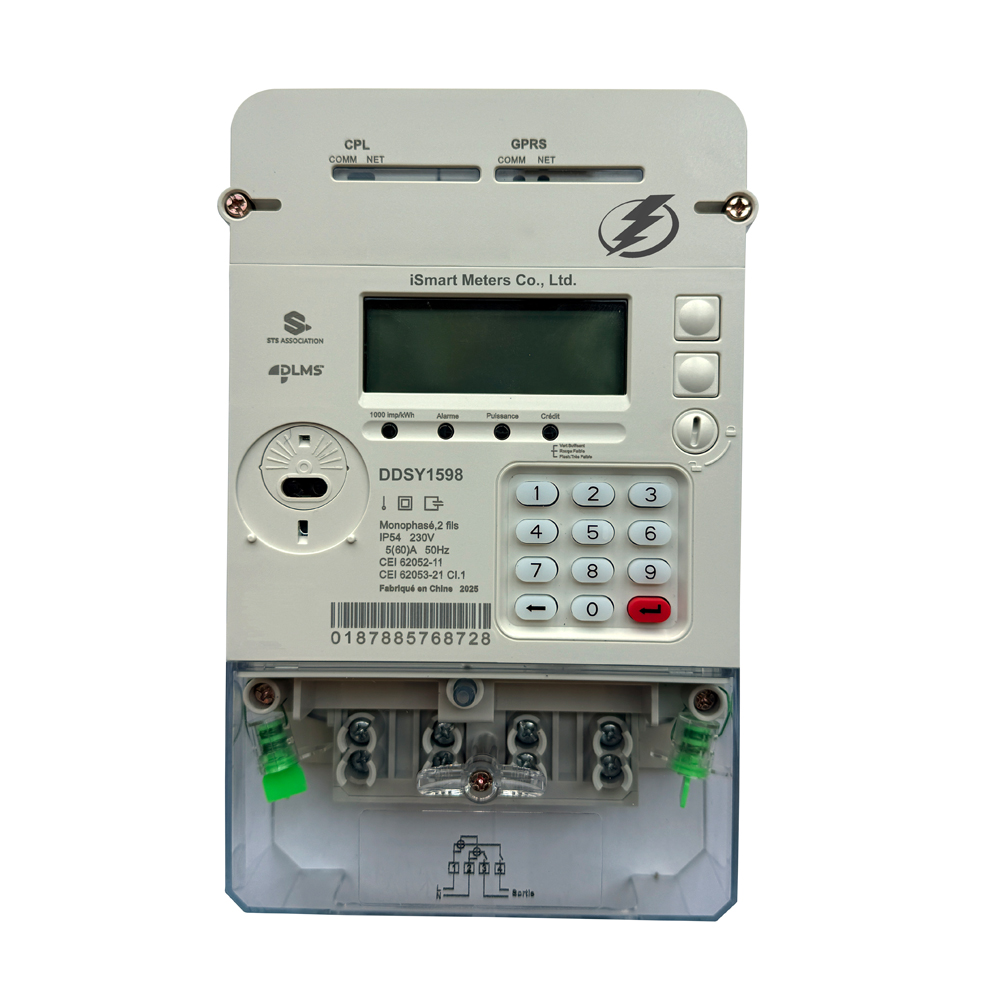
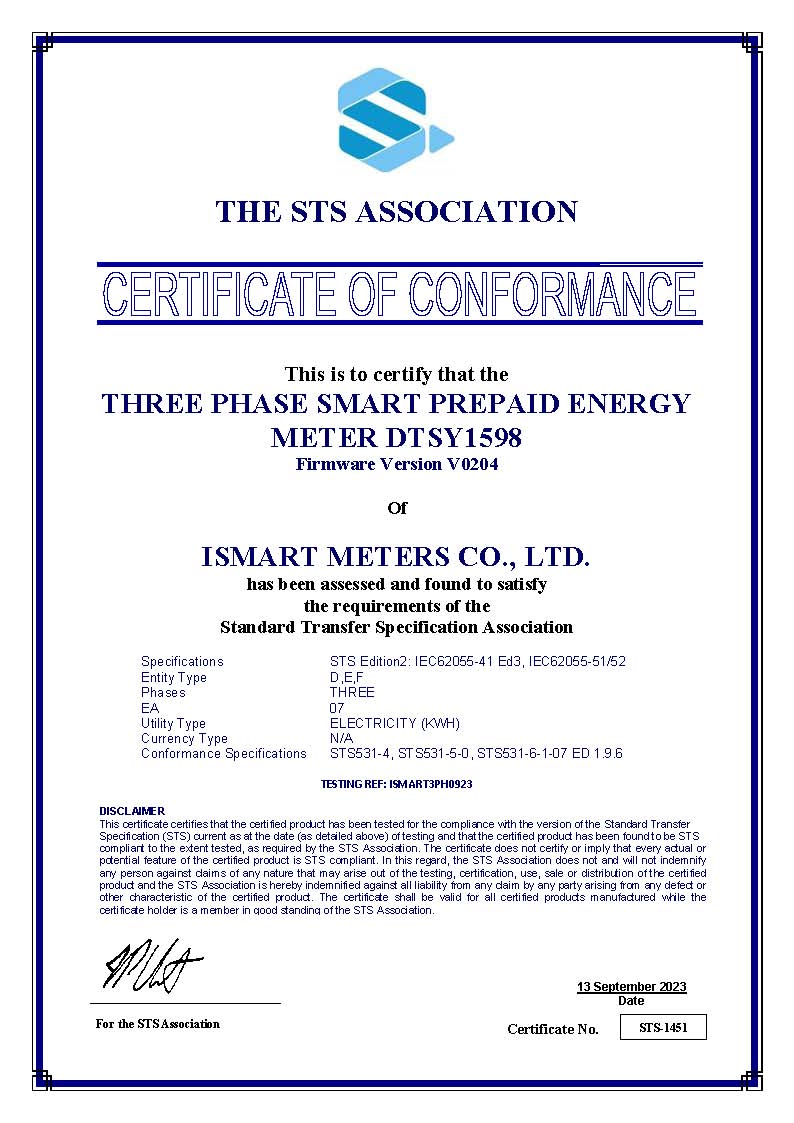
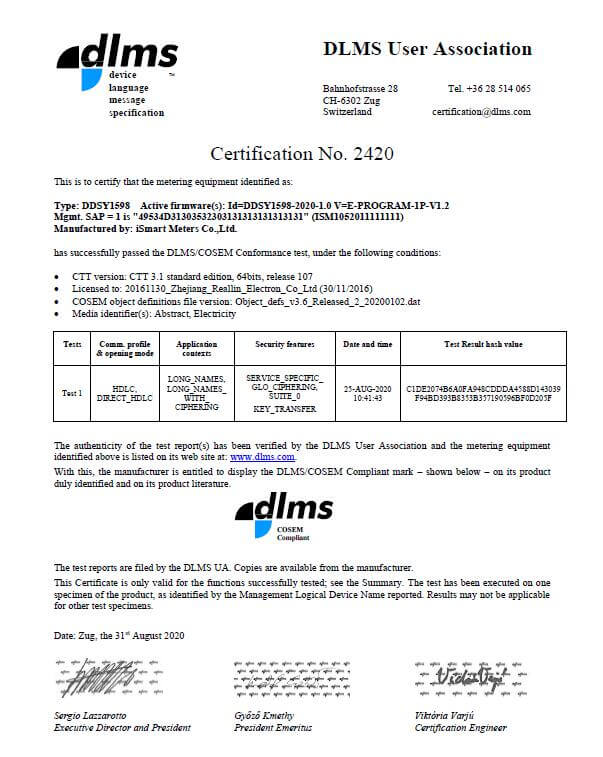
Smart prepaid energy meter is also known as a prepayment meter that needs to pay for eletricity credit before using it, rather than paying after billing. It combines two main features: smart technology (remote dual communication) and a pay-as-you-go (prepaid) mechanism. Residents can buy electricity through smartphone Apps, online bank portal, SMS, or local POS vendor by manually inputting a unique token (a 20-digit number), or remote charge that credit can be automatically sent to your prepaid energy meter via AMI system's command by GPRS wireless communication signal.
However, once the credit hits zero, meter automatically cuts off the electricity supply. For utilities, meter directly eliminates the risk of unpaid bills if residents reject to pay. For users, it will help them control &optimize monthly bill to avoid a sudden high expense.
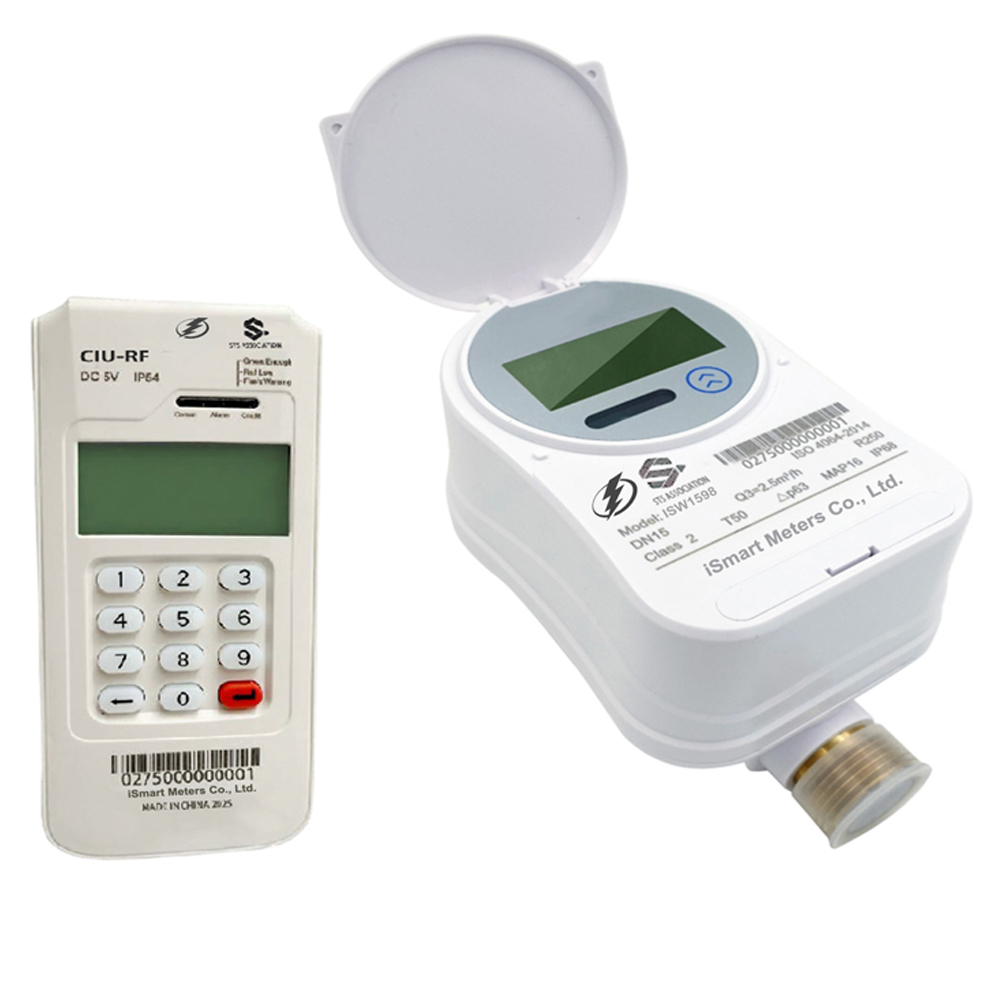
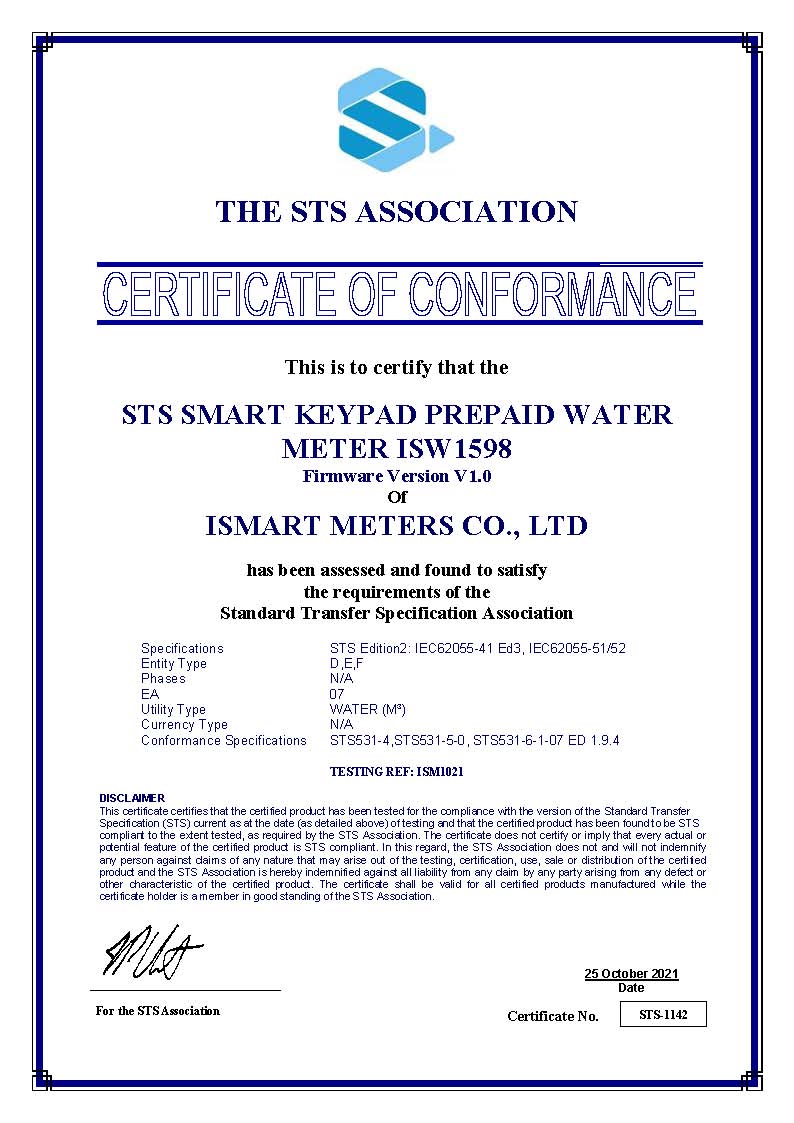
Smart prepaid water meter is an advanced prepayment water meter that allows consumer to pay for their water supply in advance before using it, operating on a "pay-as-you-go" mechanism similar to a prepaid mobile phone. When prepaid balance runs out, an automated internal electronic valve shuts off the water flow until purchase and load more credit.
What's more, consumer can purchase water credit via mobile Apps, online bank portals, SMS, or local retail vendors, and then type a 20-digit TOKEN code into a keypad located directly on the meter or on a wireless Customer Interface Unit (CIU) inside home. But for the advanced smart prepaid water meters, the credit can be sent and charged automatically over wireless networks (like 4G or LoRaWAN). Finally, the meter verifies the TOKEN, opens its internal valve, and allows water to flow into your property.
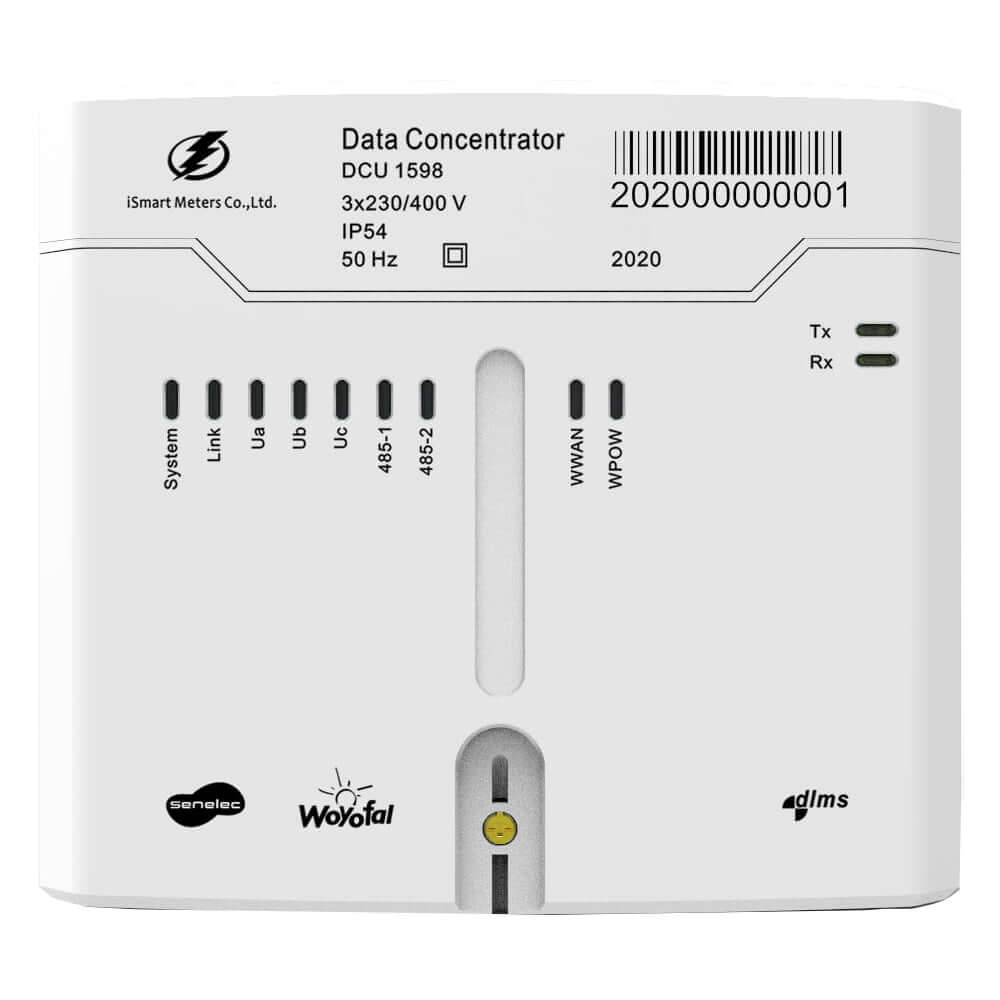
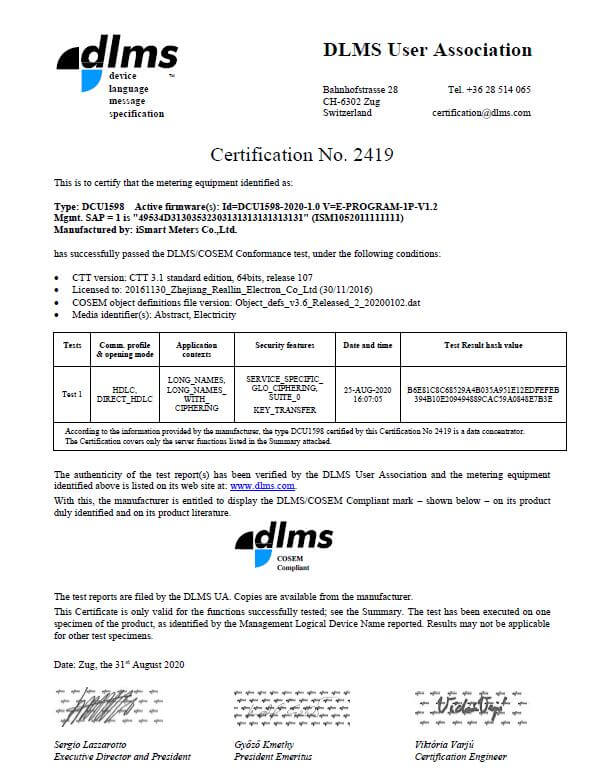
Smart DLMS data concentrator (Device Language Message Specification Gateway) is an industrial communication intermediary used in smart grid and smart utility infrastructure. Its primary purpose is to translate, aggregate, and route data between smart meters (electricity, water, or gas) and the utility company's central software, known as the HES (Head-End System) or MDM (Meter Data Management) system.
Even though smart prepaid energy meters speak DLMS, they might communicate locally over short-range networks like RS485, M-Bus, Zigbee, RF, or PLC. As a bridge, it talks to the meters via these local low-power networks, translates or packages the data, and forwards it to the central utility servers over cellular (4G/5G/NB-IoT), Ethernet, or fiber optics.
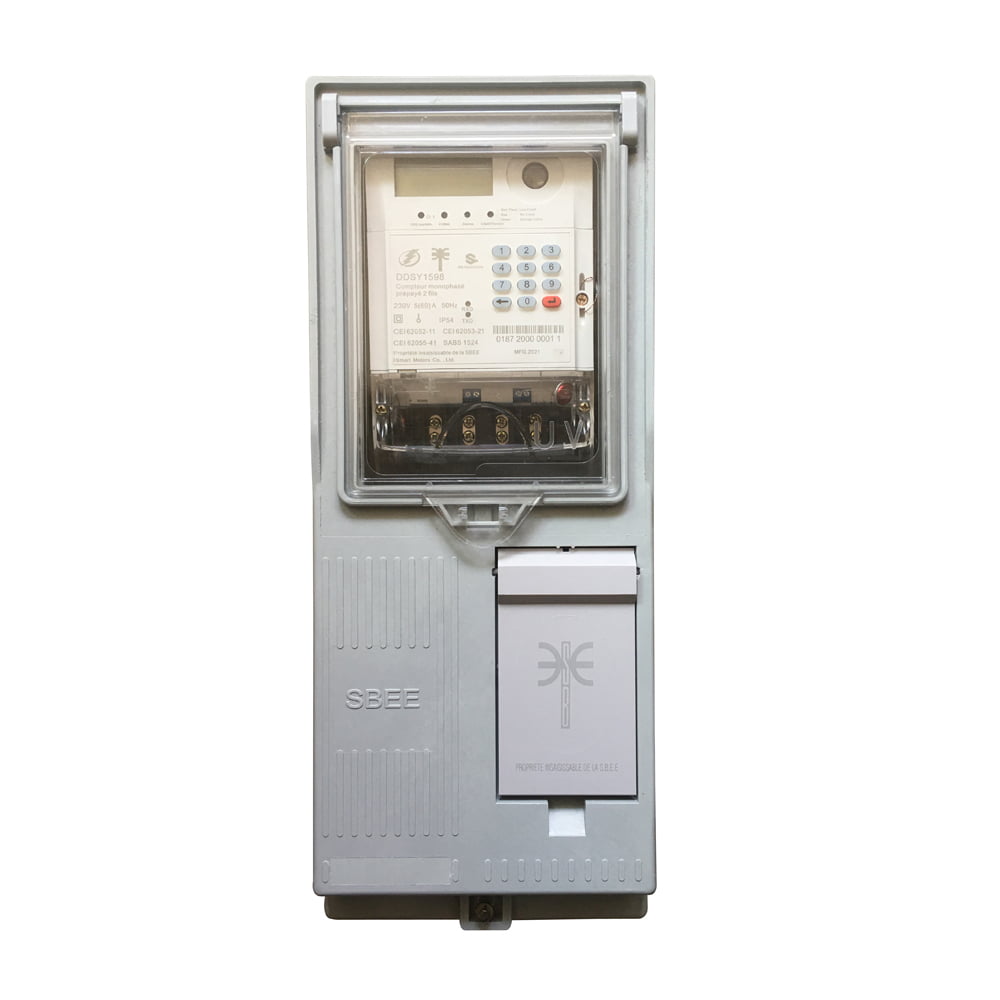
FRP prepaid meter box (Fiber Reinforced Plastic) is frequently referred to utility standards as an SMC (Sheet Molding Compound) or GRP (Glass Reinforced Plastic) meter box, which is an engineered industrial enclosure designed to house electricity, gas or water meters. As the utility meters are installed outdoors on building walls or utility poles, these boxes are heavily favored by utility companies over traditional metal (which rusts and poses shock hazards) and standard plastics (which degrade quickly under intense sunlight and heat).
Prepaid meter box has features like long life cycle of 10-15 years, strong glass fiber reinforcement, good anti-UV stabilization and high thermal resiliency to 120℃. Wall mounting and pole mounting is optional.

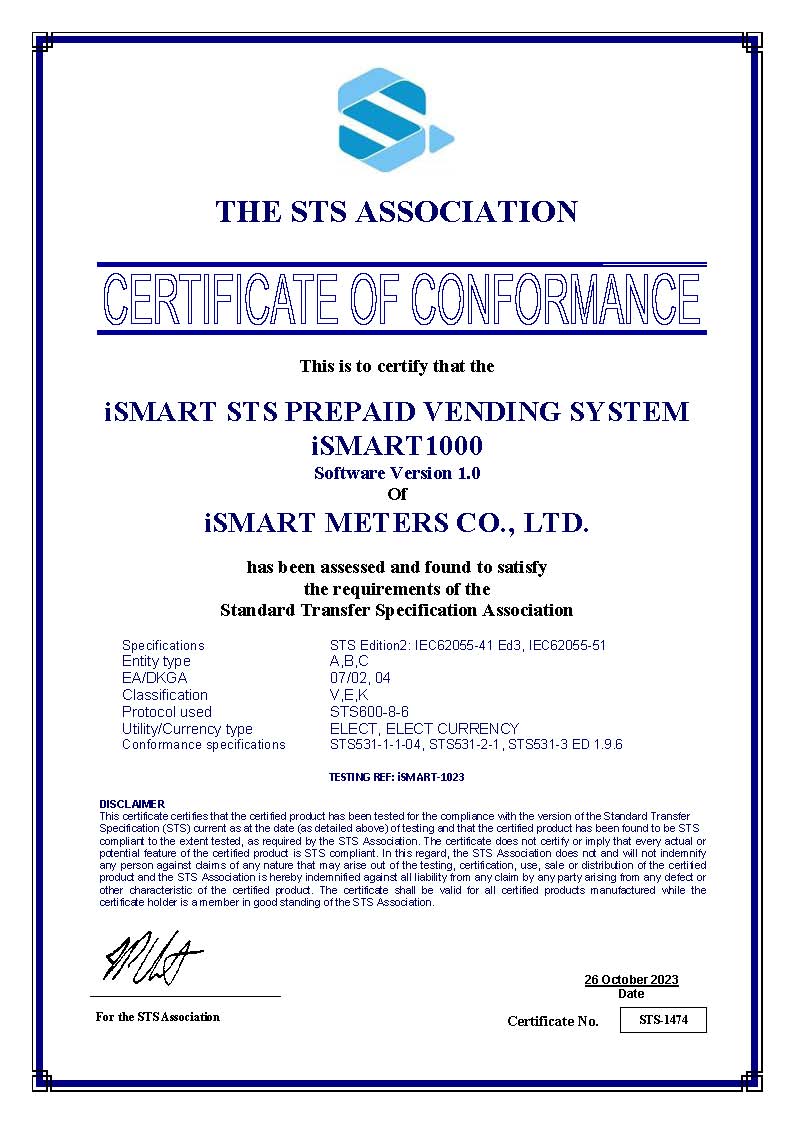
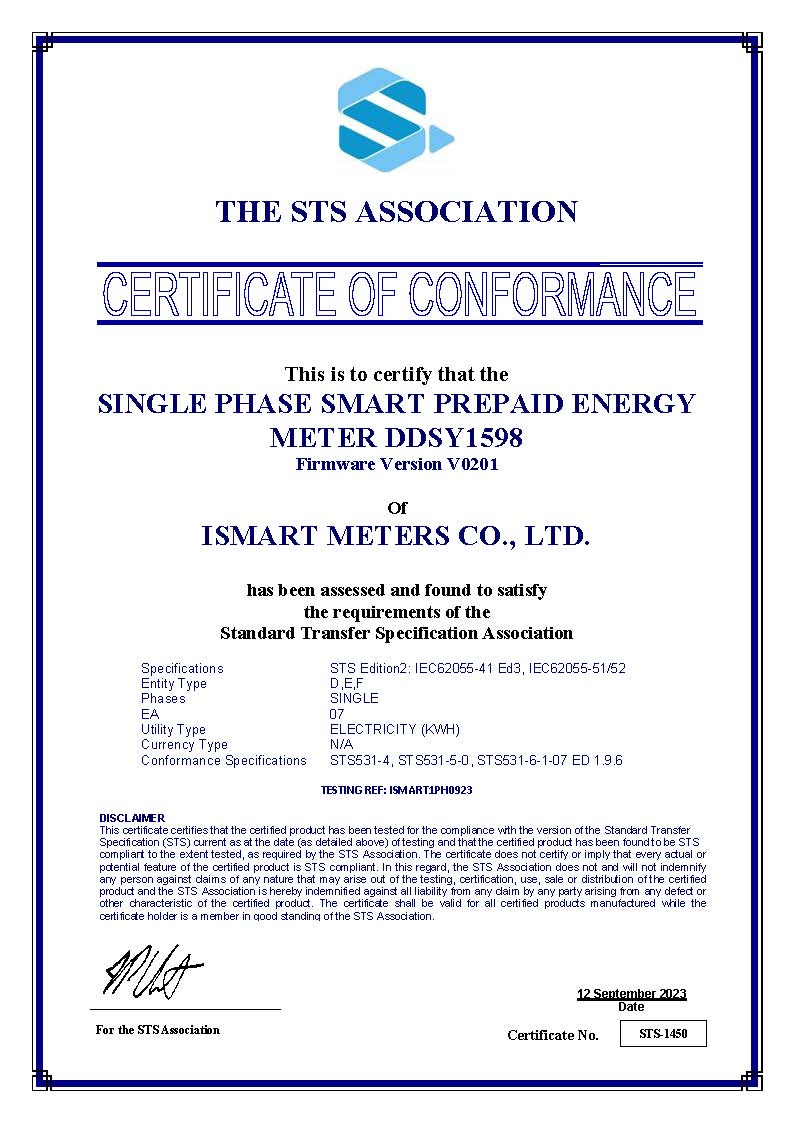
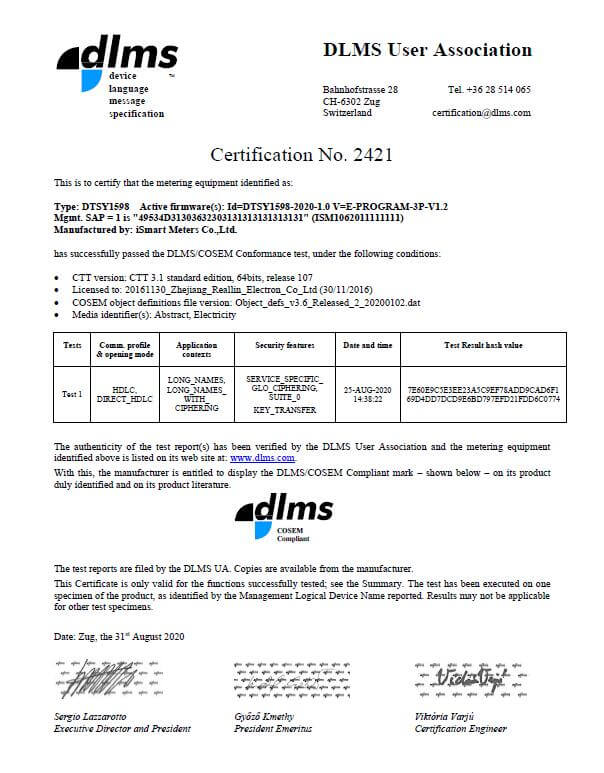
SICEM Reliablility Test Report
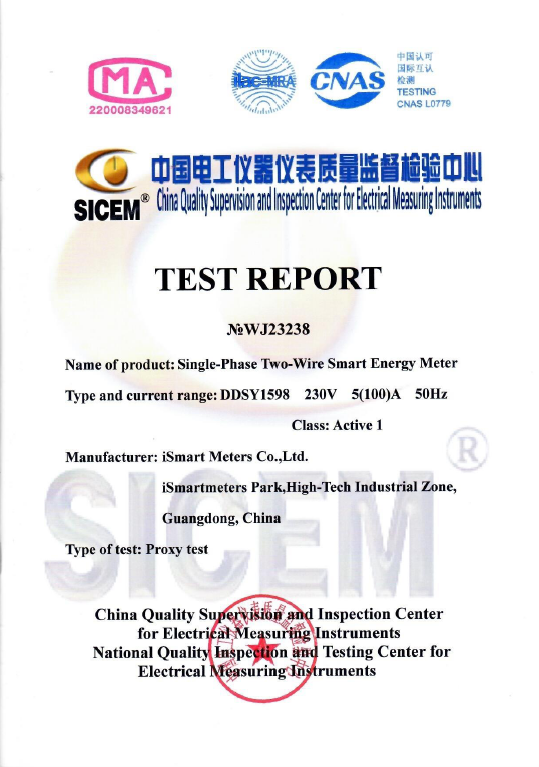
SICEM Type Test Report
ECM Certificate
OIML Certificate
